

Our Projects
Key Projects
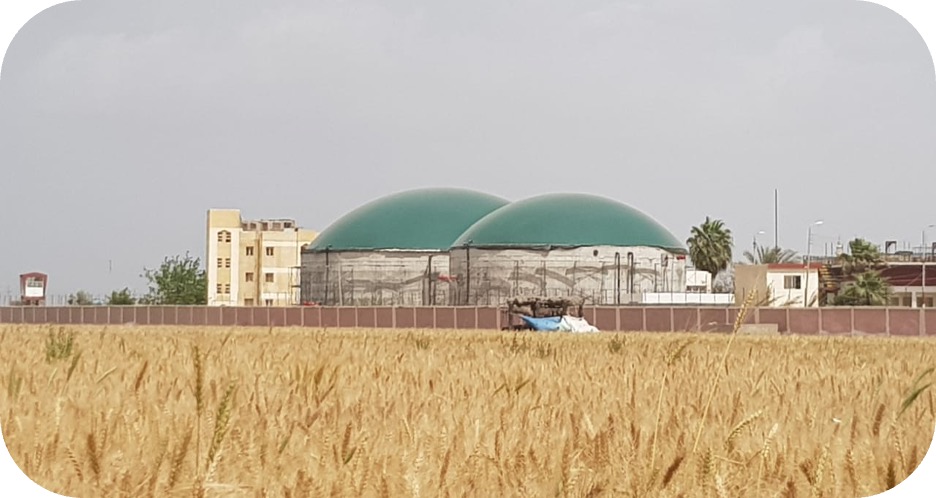
1. Nubaria Project
Overview
The Nubaria Project, located in the heart of Egypt, is a pioneering venture by Empower Capital that exemplifies our commitment to sustainable development and environmental stewardship. This project is at the forefront of decarbonization efforts in the agricultural and industrial sectors, leveraging advanced biotechnology to transform waste into valuable resources. The facility operates with the waste from 5,000 cows, agricultural byproducts, and industrial food waste, making it a cornerstone of our mission to reduce carbon emissions and promote sustainable agriculture.
Location: Nubaria, Egypt
Significance:The Nubaria Project is a flagship initiative that showcases Empower Capital’s ability to transform waste into renewable energy and valuable agricultural products, aligning with 12 of the 17 UN Sustainable Development Goals (SDGs). Designed to significantly reduce greenhouse gases emissions by 107,253 tCO2e annually, of which 85,500 tCO2 sequestered in agricultural soils, 10,725 tCO2e by replacing nitrogen fertilizers, 11,000 tCO2e removed through methane capture and 2,200 tCO2e from Natural Gas replacement
Key Achievements and Environmental Impact:
The facility has the capacity to generate 37,000 MMBTU of RNG daily, which serves as a sustainable alternative to fossil fuels. This not only reduces carbon emissions but also provides a reliable source of green energy for various industries. A key innovation at the Nubaria facility is the production of 85,000 tons of Empower’s unique biofertilizer each year. This biofertilizer plays a crucial role in avoiding 10,725 tCO2e by replacing traditional nitrogen fertilizers. The biofertilizer produced has the potential to annually sequester 85,500 tCO2 in the form of Soil Organic Carbon (SOC), contributing to long-term soil health and further reducing atmospheric carbon levels.
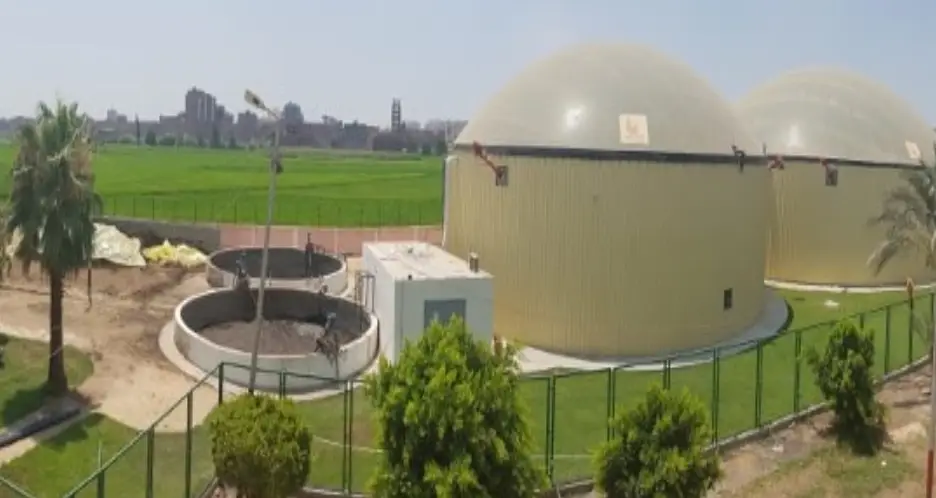
2. Salhia Project
Overview
The Salhia Project, another landmark initiative by Empower Capital, builds on the success of the Nubaria Project, bringing similar innovative solutions to a different region of Egypt. With a capacity that is 62% of the Nubaria Project, Salhia is strategically designed to extend the benefits of our sustainable practices. This project focuses on utilizing agricultural and industrial waste to produce renewable energy and biofertilizers, furthering our commitment to reducing carbon emissions and enhancing sustainable agricultur
Location: Salhia, Egypt
Significance:• The Salhia Project also aligns with 12 SDGs, reinforcing our commitment to addressing global challenges extending the benefits of our sustainable practices to reduce 75,270 tCO2e emissions annually, through sequestering 52,700 tCO2 in agricultural soils, 6,650 tCO2e by replacing traditional nitrogen fertilizers, avoiding 14,260 tCO2e from methane capture and 1,360 tCO2e from Natural Gas replacement.
.
Key Achievements and Environmental Impact:
The facility has the capacity to generate 20,400 MMBTU of RNG daily, which serves as a sustainable alternative to fossil fuels mirroring the successful model of the Nubaria Project. Salhia produces 52,700 tons of biofertilizer annually, contributing to significant reductions in nitrogen fertilizer usage and its associated CO2 emissions. This translates to a reduction of 6,650 tCO2e by replacing traditional nitrogen fertilizers. Like Nubaria, the biofertilizers produced at Salhia also enhance soil carbon sequestration, with the potential to annually sequester 52,700 tCO2, improving soil health and further mitigating climate change.